

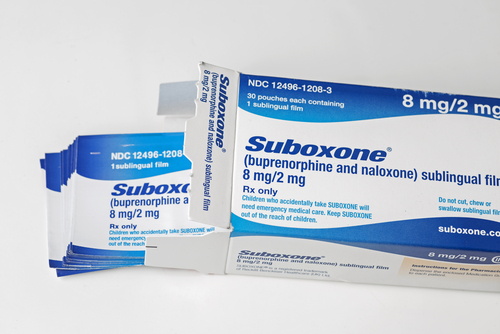



Suboxone is a medication widely prescribed to treat opioid use disorder (OUD), but for many patients, it has caused a devastating and unexpected side effect: severe dental damage. People who followed their doctors’ orders and used Suboxone as prescribed are now suffering from crumbling teeth, infections, tooth loss, and staggering dental repair costs that can run thousands of dollars.
Even more frustrating is the lack of clear insurance coverage for these necessary and possibly avoidable repairs, leaving many patients to wonder: Does health or dental insurance cover Suboxone-related tooth damage?
The answer isn’t simple. Insurance companies often draw a hard line between medical and dental care. Patients are prescribed Suboxone as an accepted medical treatment for OUD. However, the damage it causes affects your teeth, which leads to dental procedures. This puts many patients in a painful gray area without clear guidance about how they can pay their bills.
If you are facing these challenges, keep reading for information that can help steer you through the complicated overlap between health insurance, dental insurance, and potential lawsuit compensation for Suboxone tooth damage. We’ll explain why this gap exists, what (if anything) insurance might cover, and how a lawsuit may be your best shot at recovering the full cost of your dental repairs and potentially more.
Key Takeaways About Insurance Coverage for Suboxone Damages
- Most health insurance plans do not cover dental repairs for Suboxone tooth damage.
- Dental insurance may offer limited help, but it rarely covers full-mouth restorations.
- Patients are often stuck paying $20,000 or more out-of-pocket.
- Lawsuits against the makers of Suboxone may help victims recover additional compensation depending on their circumstances.
- Dolman Law Group is helping Suboxone victims fight back, pursue justice, and recover compensation for the injuries they sustained without warning.
What Is Suboxone and Why Does It Harm Your Teeth?
Suboxone is a combination of buprenorphine and naloxone, formulated to help people recover from opioid addiction. It can be prescribed in various forms, including a thin strip of a film-like material that is placed under the patient’s tongue (sublingual) and allowed to dissolve.
While it has helped thousands of patients reclaim their lives, Suboxone film contains an acidic formulation that can also erode tooth enamel. When the film is placed under the tongue or in the cheek, it dissolves slowly and releases the acidic substance that slowly eats away at the user’s teeth.
Since many patients are told to use Suboxone throughout the day, it means their teeth are being bathed in acid multiple times a day. Many patients who used Suboxone exactly as prescribed have suffered:
- Widespread tooth decay
- Severe enamel erosion
- Infections and abscesses
- Tooth loss
- Chronic mouth pain, which makes eating difficult
The FDA didn’t require the manufacturer to place a warning about dental problems on Suboxone’s label until 2022—after thousands of people had already been harmed. Now, many victims are seeking compensation through Suboxone tooth damage lawsuits alleging they should have been warned sooner.
Health Insurance vs. Dental Insurance: What’s the Difference?
When you suffer an injury, your first instinct is to turn to your health insurance. But in the U.S., dental health is treated separately from medical care, and insurance companies often try to use that distinction to deny coverage for dental injuries.
For example, health insurance generally does not cover:
- Root canals, crowns, or bridges
- Dentures or implants
- Routine dental care
Dental insurance typically covers:
- Preventive care (cleanings, x-rays)
- Basic services (fillings)
- Some major services (crowns, root canals) — but with low annual limits and/or high deductibles
Dental insurance is not required by law, and many people do not have it available through their employer or another source. Sadly, many people consider dental insurance a luxury and choose to go without coverage, or simply can’t afford it.
Even with dental insurance, you may face coverage caps of $1,000 to $2,000 per year, which is far below the cost of implants or full-mouth restoration. Also, people who have dental insurance may face such a large deductible that they can’t afford to get the dental work done, since they can’t pay the deductible out of pocket.
Why Suboxone Tooth Damage Repairs Are Rarely Covered

Since the pending Suboxone lawsuits are still unresolved, related tooth damage sits in a legal and insurance blind spot. Here’s why coverage is so elusive:
- Health insurance excludes anything deemed “dental care.”
- Dental insurance was never designed for catastrophic damage.
- Insurers may argue that Suboxone tooth damage is a “preexisting condition.”
- Patients often don’t know they need special documentation to appeal a dental insurance coverage denial.
In other words, even if your damage was caused by a prescription drug, insurance companies will likely try to find ways to avoid paying for the care you need if possible.
Real Costs: How Much Do Suboxone Dental Repairs Cost?
Most people don’t realize how expensive it is to repair extensive tooth damage. Here’s a breakdown of some common procedures a Suboxone patient may encounter after using the sublingual version of the drug:
- Extractions: $150–$400 per tooth
- Root canals: $700–$1,200 per tooth
- Crowns: $800–$1,500 each
- Dentures (full set): $1,500–$8,000
- Dental implants: $3,000–$6,000 per tooth
- Full-mouth reconstruction with implants: $30,000 to $60,000 or more
For someone with widespread damage, even a “modest” repair plan can cost as much as a new car. Since many patients have no dental insurance or may have already maxed out their annual coverage, they simply can’t pay for the work they need and deserve after being harmed by a pharmaceutical company that didn’t warn them about the possible injuries they might face.
Can a Suboxone Lawsuit Help Cover Dental Repair Costs?
Yes. One of the main goals of the Suboxone tooth damage lawsuits is to help victims recover money for the dental care they need after using Suboxone. In a general sense, these lawsuits argue that the drug’s manufacturers failed to:
- Warn about the risk of severe tooth decay
- Update labeling promptly through FDA channels
- Conduct adequate studies on oral health risks
Victims may be eligible for compensation for:
- Past and future dental expenses related to Suboxone use
- Pain and suffering
- Lost income (if damage affects your ability to work)
- Emotional distress
The legal process takes time, but for many, it’s the only realistic path to holding the drugmakers accountable and securing the funds to fix their smiles.
What to Do If Your Insurance Denied Your Dental Claim
If you’ve already filed a claim for Suboxone-related dental problems and been denied, don’t give up. You can:
- Request an appeal and provide documentation from your dentist linking the damage to Suboxone use
- Ask your medical provider to write a letter explaining the connection
- Seek legal help from a dedicated Suboxone lawyer to determine whether you may be eligible to file a lawsuit against the drug’s manufacturer
Other Financial Options While You Wait
If you can’t afford dental work upfront, consider these alternatives:
- Set up a payment plan through your dental provider
- Apply for and use CareCredit or similar medical credit cards
- Look for dentists who offer dental discount plans
- Locate local dental schools that might offer reduced-cost procedures
These aren’t perfect solutions, but they can bridge the gap if you decide to pursue legal action and must wait while your lawsuit moves forward.
Understand Your Options When Suboxone Has Caused Tooth Damage
Suboxone tooth damage is more than a cosmetic problem. It affects your health, your confidence, and your finances. Insurance companies have not stepped up to help victims, leaving many to pay out of pocket for dental reconstructions they never expected and were never warned could happen.
If you used Suboxone and now suffer from severe dental issues, you may be entitled to compensation. A Suboxone tooth decay lawsuit could be your best path forward. It won’t cost anything to learn more about your legal rights. Reach out to a Suboxone lawsuit attorney today.
FAQs About Insurance Coverage for Suboxone Tooth Repairs
Can I sue even if I have dental insurance?
Yes. Most dental insurance plans only cover a small portion of costs, and you can still sue for damages that go beyond what your insurer pays.
Is Suboxone tooth damage considered a medical or dental issue?
It could be considered both, but most medical insurance companies usually label it as a dental problem, which is why health insurance often refuses to pay.
How long do I have to file a Suboxone lawsuit?
Every state has a statute of limitations that creates a window of opportunity to file a personal injury lawsuit, such as a Suboxone tooth decay claim. Filing time limits vary by state, but can be as short as one or two years. Contact a lawyer as soon as possible to preserve your right to file.
Do I need proof that I used Suboxone?
Yes. Pharmacy records and medical documents showing your prescription history are critical to proving your claim. An experienced law firm can help you gather these documents and build your case.
Can I join a lawsuit if I haven’t had the dental work done yet?
Yes. Many plaintiffs have not yet begun treatment but are preparing to seek dental care soon. The key is showing a diagnosis of tooth damage linked to Suboxone.
Contact Dolman Law Group Today to Learn More About Your Rights
If you or someone you love is struggling with the financial burden of Suboxone-related tooth damage, help is available. At Dolman Law Group, our experienced legal team understands what you’re going through and is ready to fight for the compensation you deserve.
Call us today at 866-481-5347 or fill out our online contact form to schedule a free, confidential consultation. Let us help you take the first step toward justice and recovery.