


Injured in Washington? We Help People Rebuild After Serious Accidents.

Do I Have a Personal Injury Case in Washington?
You may have a personal injury case in Washington if another person, business, or entity caused your injury through negligence or wrongful conduct. Whether you can recover compensation depends on the facts of the accident, the evidence showing who was at fault, the extent of your injuries and losses, and whether you filed your claim within Washington’s legal deadline. A personal injury lawyer can review the facts of your situation and explain your legal options..
Washington Personal Injury Quick Facts
✓ Virtual consultations available
✓ Free case evaluations
✓ No attorney’s fees unless we recover compensation
✓ Representation throughout Washington State
✓ Serious injury and wrongful death cases
✓ Negotiation and litigation support
✓ Trial-ready attorneys
✓ Millions recovered for injury victims nationwide
Past results do not guarantee future outcomes.
A serious injury can change what your life looks like overnight. Medical treatment, missed work, and mounting bills can quickly become part of your daily reality while an insurance company is already evaluating what your claim is worth.
At Dolman Law Group, we approach Washington personal injury cases with the same mindset we bring to every case: build the evidence, protect the claim, and prepare for the possibility of trial from the start. Whether your injury resulted from a car crash, truck accident, fall, or another act of negligence, the sections below explain your legal rights and what it takes to pursue full compensation under Washington law.

“We all pay our premiums every month, but when we need help, all of a sudden things aren’t so simple.“
Our award-winning trial attorneys represent injury victims throughout Washington State, helping them recover the compensation they need to rebuild their life.
Types of Personal Injury Cases We Handle in Washington
Personal injury law covers far more than car accidents. If another person, business, property owner, or organization acted negligently and caused your injuries, you may have the right to pursue compensation under Washington law.
At Dolman Law Group, we represent clients injured in many different types of accidents. While each case is unique, our goal is always the same: determine who is legally responsible, prove the full extent of your damages, and fight for the compensation you deserve.
Motor Vehicle Accidents
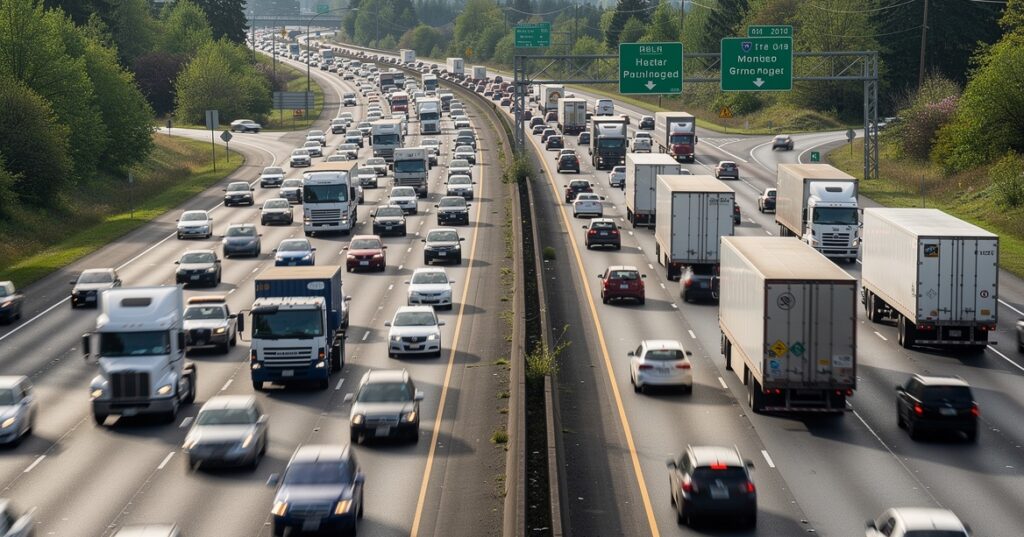
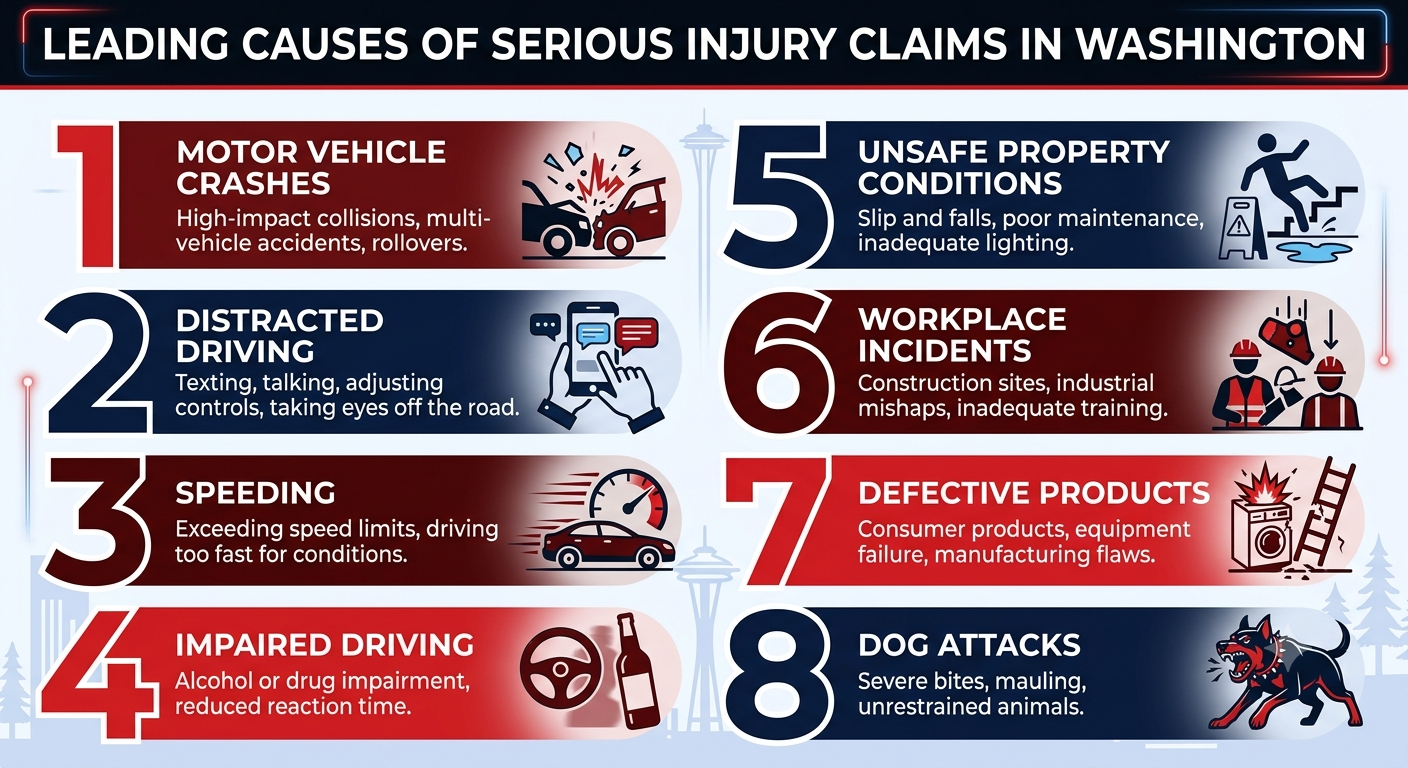
Motor vehicle crashes remain one of the leading causes of serious injuries throughout Washington. Whether the collision occurred on Interstate 5 through Seattle, Interstate 90 across the Cascades, SR-167 near Kent, or a neighborhood road in Spokane or Vancouver, injured victims often face the same challenges—medical bills, lost income, and insurance companies looking to minimize payouts.
We handle claims involving:
- Car accidents
- Truck accidents
- Motorcycle accidents
- Pedestrian accidents
- Bicycle accidents
- Uber & Lyft accidents
- Bus accidents
- Drunk driving accidents
- Hit-and-run accidents
- Uninsured and underinsured motorist claims
Premises Liability
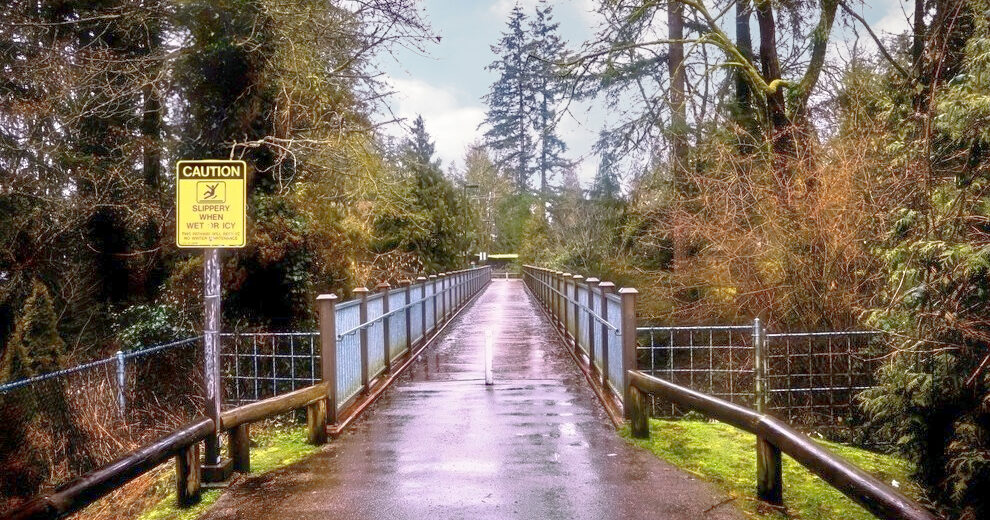
Property owners have a legal responsibility to maintain reasonably safe premises for visitors.
When they fail to fix dangerous conditions—or fail to warn people about them—serious injuries can occur. This area of personal injury is known as premises liability.
These cases may involve:
- Slip and falls
- Trip and falls
- Falling merchandise
- Negligent security
- Unsafe stairways
- Poor lighting
- Swimming pool accidents
- Elevator and escalator accidents
Workplace Accidents Involving Third Parties
Not every workplace injury is limited to workers’ compensation.
Many injured workers have additional claims against negligent third parties, including:
- Contractors
- Subcontractors
- Equipment manufacturers
- Property owners
- Delivery companies
- Outside vendors
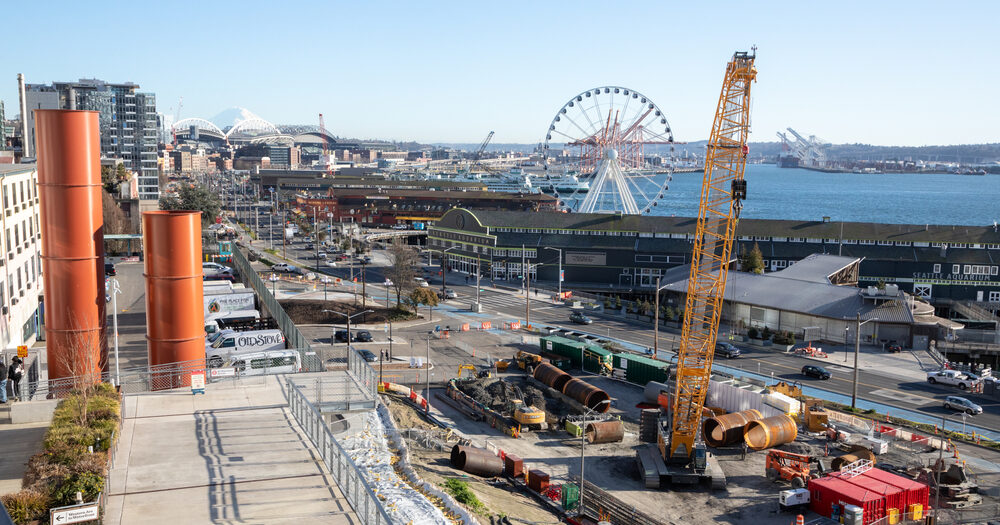
These cases commonly arise on construction sites, warehouses, industrial facilities, ports, and manufacturing operations.

Product Liability
Consumers expect products to be reasonably safe when used as intended. Manufacturers, distributors, and sellers all have legal responsibilities regarding the safety of the products they place into the marketplace, and when dangerous or defective products cause injuries, victims may have claims against one or several parties involved in a product’s design, manufacture, or distribution.
These cases may involve:
- Defective vehicles
- Unsafe consumer products
- Dangerous machinery
- Defective medical devices
- Defective pharmaceutical medications
- Electrical equipment
- Children’s products

Dog Bite Injuries
Washington has specific laws regarding dog bite liability, and victims may be entitled to compensation even if the dog had never bitten anyone before. Washington generally imposes strict liability for these cases, meaning an owner may be held responsible even when the animal had shown no prior signs of aggression.
Dog attacks frequently cause:
- Permanent scarring
- Nerve damage
- Facial injuries
- Emotional trauma
- Infections
- Long-term psychological effects, especially for children

Wrongful Death
Some accidents have unimaginable consequences. If your family lost someone because of another person’s negligence, Washington law may allow certain surviving family members, such as a spouse, domestic partner, child, or in some cases a parent or sibling, to pursue a wrongful death claim for financial and emotional losses resulting from that death.
No lawsuit can replace a loved one, but pursuing accountability may help protect your family’s future while holding the responsible party accountable.
What Are the Most Common Causes of Personal Injury Accidents in Washington?
Negligence is the legal basis for most personal injury claims, but the circumstances that lead to serious accidents vary across Washington. Recognizing how these accidents happen can help injured people understand when another person, business, or entity may be legally responsible for their injuries.
Distracted Driving
Distracted driving remains one of the leading contributors to serious crashes across Washington, despite focused attempts to increase awareness.
Texting, navigation systems, hands-free conversations, in-vehicle technology, eating, and other distractions all reduce a driver’s ability to react to changing road conditions.
Speeding
Higher speeds reduce reaction time while dramatically increasing the force of impact during a collision.
Even a crash that might have resulted in relatively minor injuries at lower speeds can become life-changing when excessive speed is involved.
Impaired Driving
Alcohol and drug impairment continue to contribute to preventable crashes throughout Washington.
Impaired drivers often exhibit slower reaction times, poor judgment, and reduced awareness of surrounding traffic, placing everyone on the road at risk.
Dangerous Road Conditions
Washington presents driving conditions that many states simply don’t experience.
Heavy rainfall, mountain passes, fog, snow, ice, and changing weather can quickly create hazardous roads. Drivers are expected to adjust to those conditions, and failing to do so may constitute negligence.
Unsafe Properties
Not every serious injury happens on the road.
Businesses, apartment complexes, retail stores, hotels, restaurants, and private property owners all have a responsibility to maintain reasonably safe premises for lawful visitors.
High-Risk Industries
Washington’s economy includes several industries that present elevated injury risks, including:
- Aerospace manufacturing
- Maritime operations
- Commercial fishing
- Agriculture
- Forestry
- Warehousing and logistics
- Construction
- Transportation
Many injuries occurring in these industries involve third-party negligence, allowing victims to pursue claims beyond traditional workers’ compensation benefits.
Understanding how accidents happen is important, but proving who is legally responsible is what ultimately determines whether compensation may be available. That’s where liability becomes one of the most important parts of any personal injury case.

Who Can Be Held Liable for a Personal Injury Accident in Washington?
Liability depends on who caused the accident and whether their negligence contributed to your injuries. While some cases involve a single careless individual, many serious injury claims involve multiple people, businesses, or organizations that may all share legal responsibility.
Identifying every liable party is one of the most important parts of a personal injury case. Overlooking even one defendant could mean leaving available insurance coverage or other sources of compensation on the table.
Depending on the circumstances, potentially liable parties may include:
- Negligent drivers
- Commercial trucking companies
- Employers
- Property owners
- Retail businesses
- Manufacturers
- Contractors and subcontractors
- Government agencies
- Bars or restaurants in limited circumstances
- Other individuals or businesses whose negligence contributed to the accident
Determining liability isn’t always straightforward. Commercial vehicle crashes, construction accidents, and product liability cases often involve multiple insurance companies and complex legal issues that require a thorough investigation.
Before discussing compensation, it’s important to understand one Washington law that surprises many injured people.
What if I Am Partially At Fault for My Accident?
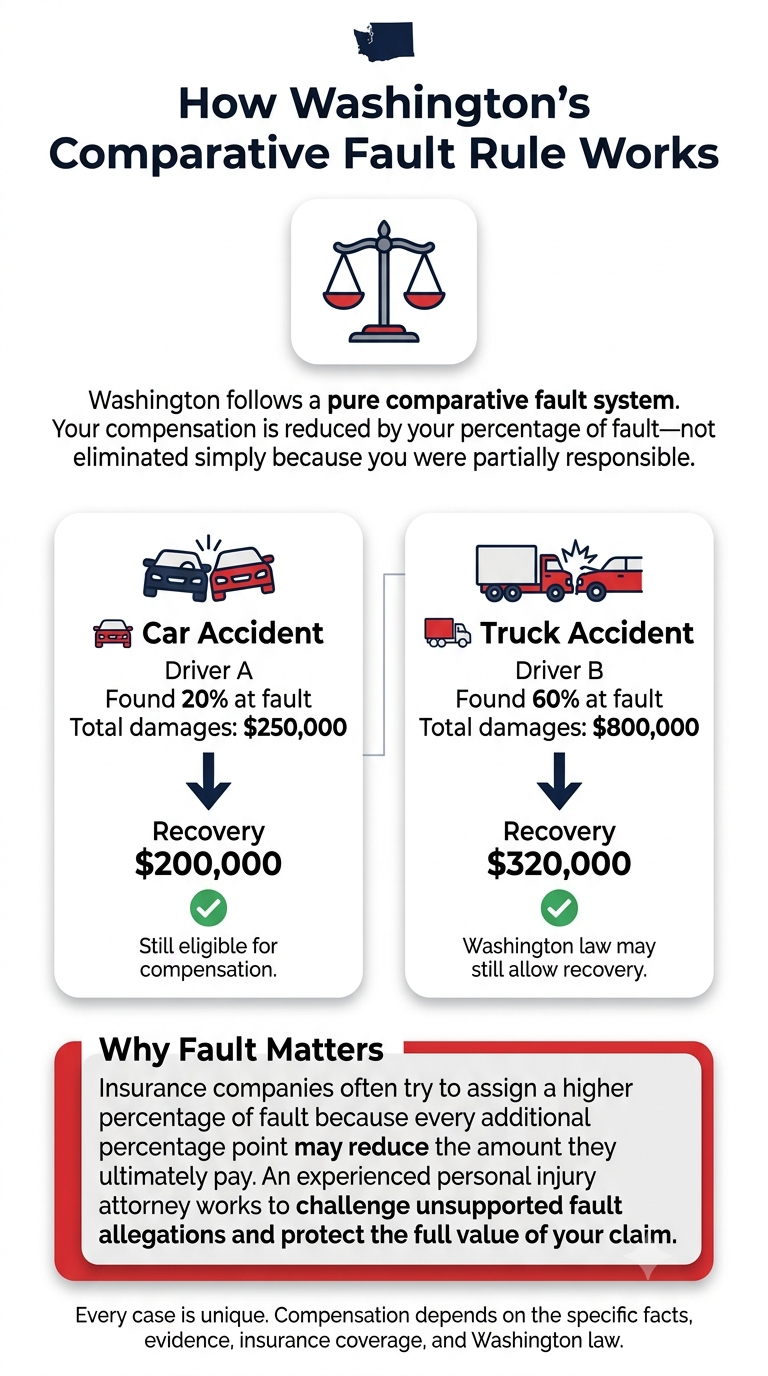
You may still be able to recover compensation. Washington follows a pure comparative fault system, so a mistake on your part doesn’t automatically end your claim. Your recovery is generally reduced by your percentage of fault instead of eliminated entirely.
How Washington’s Pure Comparative Fault Works
For example, if you’re awarded $500,000 but found 20 percent at fault, your recovery would generally be reduced to $400,000. Even if you’re found 70 percent at fault, Washington law may still let you recover the remaining 30% of your damages.
How Insurance Companies Use This Law to Their Advantage
Insurance companies know this law well, and shifting blame onto you is one of their most common strategies. They may argue you were speeding, distracted, or could have avoided the accident altogether. Preserving evidence early matters here: witness statements, surveillance footage, and vehicle data can all become critical once fault is disputed.
What Compensation Can You Recover After a Washington Personal Injury Accident?
Washington law allows injured victims to pursue compensation for both economic and non-economic damages. The recovery goal isn’t a windfall. The purpose is making you whole for what someone else’s negligence cost you.
Someone who suffers a broken wrist may recover compensation for several months of treatment and missed work, while someone with a traumatic brain injury or spinal cord injury may require decades of future medical care, rehabilitation, and lost earning capacity.
What every case can recover is different and based on unique circumstances and other factors.
Economic Damages
Economic damages are the financial losses that can usually be documented through bills, receipts, employment records, and expert testimony.
Examples include:
- Emergency medical treatment
- Ambulance transportation
- Hospital bills
- Surgery
- Physical therapy
- Occupational therapy
- Prescription medications
- Future medical care
- Medical equipment
- Home modifications
- Lost wages
- Reduced earning capacity
- Property damage
- Out-of-pocket expenses
Non-Economic Damages
Not every loss comes with a receipt, but Washington law also recognizes the very real personal impact a serious injury can have on someone’s life. These damages are the physical and emotional pain and suffering injured victims experience.
Depending on the circumstances, compensation may be available for:
- Physical pain
- Emotional distress
- Mental anguish
- Permanent disability
- Scarring and disfigurement
- Loss of enjoyment of life
- Anxiety and depression resulting from the injury
- Loss of consortium in appropriate cases
These damages are often among the most significant of a serious injury claim because they reflect how an injury changes someone’s daily life—sometimes permanently.
Wrongful Death Damages
When negligence results in the loss of a loved one, Washington law may allow eligible surviving family members to pursue compensation for losses related to that person’s wrongful death.
Depending on the facts of the case, recoverable damages may include financial support, funeral expenses, loss of companionship, and other damages permitted under Washington law.

What Factors Affect the Value of a Personal Injury Case?
No attorney can honestly tell you what your case is worth after a five-minute phone call.
The value of a claim depends on many factors, including:
- The severity of your injuries
- Whether you’ll fully recover
- Your medical expenses
- Future treatment needs
- Lost income
- Permanent disability
- Available insurance coverage
- Whether liability is disputed
- Whether you share any percentage of fault under Washington’s comparative fault law
- How the injury affects your daily life
Understanding what your claim may be worth is important, but none of it matters if you miss the deadline to bring your case. Washington law places strict time limits on most personal injury lawsuits, and waiting too long can permanently affect your right to recover compensation.
How Long Do You Have to File a Personal Injury Lawsuit in Washington?
Washington law places strict deadlines on most personal injury lawsuits. In many cases, you have three years from the date of the injury to file a lawsuit. If you miss the applicable deadline, you may lose your right to recover compensation, regardless of how strong your case may have been.
That sounds simple enough, but there are important exceptions.
Claims involving government entities often have additional notice requirements before a lawsuit can even be filed. Cases involving minors, delayed discovery of injuries, or certain wrongful death claims may also follow different rules.
The safest approach is to speak with a personal injury attorney as soon as possible after an accident. Waiting doesn’t just risk missing legal deadlines—it can also make it harder to locate witnesses, preserve evidence, and accurately reconstruct what happened.
What Should You Do After a Serious Accident in Washington?
The hours and days after an accident are often overwhelming, but the decisions you make during this time can affect both your health and your personal injury claim.
You don’t have to remember everything perfectly.
Instead, focus on protecting yourself, documenting what you can, and getting appropriate medical care.
Get Medical Attention Immediately
Your health comes first. Even if your injuries seem minor, some serious conditions—such as internal bleeding, concussions, or spinal injuries—may not have any immediate symptoms. But internally, they can quickly worsen without urgent treatment.
Getting a prompt medical evaluation also creates documentation that may become important if you later pursue a personal injury claim.
Report the Accident
Depending on the circumstances, report the accident to the appropriate party.
That may include:
- Law enforcement
- A property owner or business manager
- Your employer
- The appropriate government agency
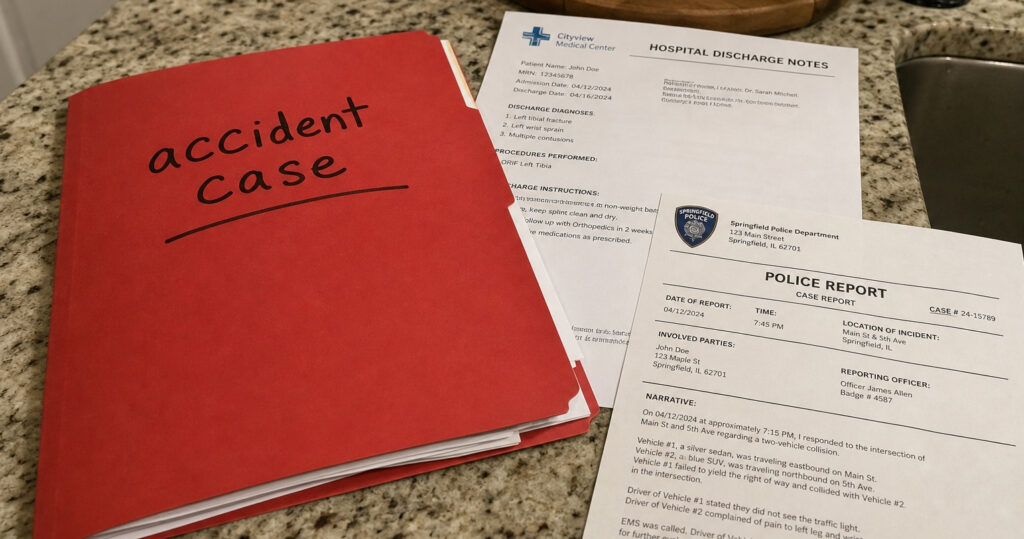
An official report often becomes an important piece of evidence later.
Photograph Everything
If you’re physically able, and it is safe to do so, take photographs of:
- The accident scene
- Vehicle damage
- Hazardous conditions
- Visible injuries
- Road conditions
- Weather
- Traffic signs and signals
Photos taken immediately after an accident often tell a much clearer story than memories months later.
Save Records
Keep copies of:
- Medical bills
- Medical records
- Pharmacy receipts
- Repair estimates
- Insurance correspondence
- Lost wage documentation
These records help establish the financial impact of your injuries.
Be Careful What You Say
Both at the scene of the the accident and later, when speaking with the insurance company, be mindful about what you say. Insurance adjusters may contact you shortly after your accident.
Here are a few tips to remember if you speak with an insurance adjuster before contacting an attorney:
- Remain polite, but do not agree to give a recorded statement — you are not required to do this right away.
- Keep comments simple. Just give them the basic facts about the incident.
- Do not speculate about fault or guess about injuries you don’t yet fully understand.
- Avoid comments like “I’m fine” or “I didn’t see them” as they can later be taken out of context.
Avoid Accepting an Early Settlement
When bills start arriving, an early settlement offer can seem like welcome relief.
Unfortunately, that’s often before doctors know whether you’ll need surgery, ongoing therapy, future treatment, or whether permanent limitations will remain.
Once a settlement is accepted, you usually can’t go back and ask for additional compensation if your condition turns out to be worse than anyone initially realized.
Speak With a Personal Injury Attorney
While you don’t need to hire an attorney right after an accident, it can help you learn more about your potential legal options and guide you in making informed decisions before agree to any settlement offer or sign any documents.
Many of the most damaging mistakes in personal injury cases happen during the first few weeks. People often don’t fully understand their legal rights or how claims process works.
Once you hire experienced legal counsel, you no longer have to navigate that process alone.
What Happens During a Washington Personal Injury Case?
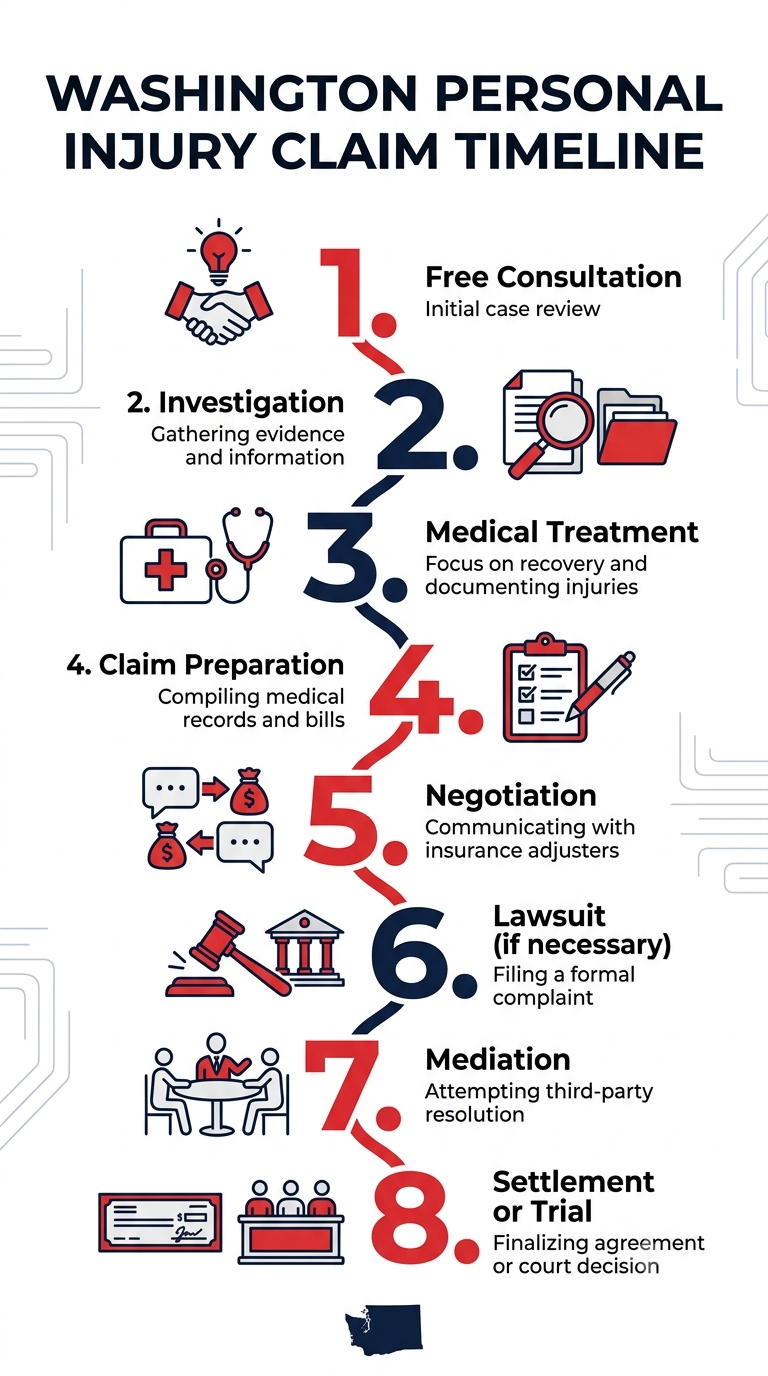
Every case is different, but most Washington personal injury claims follow the same general path. Some resolve through settlement in a matter of months, while others require filing a lawsuit and, in some cases, may end up going to trial.
Throughout the legal process, it is your attorney’s job to protect your interests while you focus on your recovery.
One question we hear often is, “How involved will I have to be?”
The answer is usually less than people expect.
Once you have hired an attorney, much of the day-to-day work shifts to your legal team. We communicate with the insurance companies, gather evidence, coordinate with your medical providers, and work to build the strongest claim possible while keeping you informed along the way.
Step 1: Free Consultation and Case Evaluation
Every case starts with a conversation.
We’ll listen to what happened, review any information you already have, answer your questions, and explain how Washington law applies to your situation.
If we believe you have a claim, we’ll discuss what comes next and what you can expect throughout the process.
This consultation is also your opportunity to decide whether we’re the right fit for you. Hiring a personal injury attorney is an important decision, and you should feel comfortable asking questions before moving forward.
Step 2: Investigation and Evidence Collection
The strength of a personal injury case often depends on the quality of the evidence collected early.
Depending on the circumstances, our investigation may include:
- Police and accident reports
- Photographs and video footage
- Surveillance recordings
- Witness interviews
- Medical records
- Employment records
- Cell phone records when appropriate
- Vehicle “black box” data
- Expert accident reconstruction
- Product inspections
- Property maintenance records
In some cases, evidence can disappear within days or weeks. Surveillance footage may be overwritten, accident scenes get cleaned up, and witnesses’ memories naturally fade over time.
Starting the investigation early helps preserve evidence that may later become critical.
Step 3: Understanding the Full Extent of Your Injuries
One of the biggest mistakes people make is trying to settle a case before they know how badly they’re actually hurt.
Some injuries heal completely.
Others require months—or even years—of treatment.
Before placing a value on your claim, it’s important to understand:
- Your diagnosis
- Expected recovery time
- Future medical treatment
- Permanent impairments
- Whether you’ll be able to return to work
- How the injury affects your daily life
Only then can your attorney begin evaluating what fair compensation may actually look like.
Step 4: Preparing and Presenting Your Claim
Once your medical condition has stabilized enough to understand your damages, your attorney typically prepares a demand package for the insurance company.
This often includes:
- A summary of the accident
- Evidence establishing liability
- Medical documentation
- Financial losses
- Photographs
- Supporting expert opinions when necessary
- A demand for compensation
This begins the formal negotiation process.
Step 5: Negotiating With the Insurance Company
Most personal injury claims settle without going to trial.
But that doesn’t mean negotiations are easy.
Insurance companies may argue:
- Your injuries aren’t as serious as claimed.
- Your treatment was unnecessary.
- A pre-existing condition caused your symptoms.
- You were partially responsible for the accident.
- Your medical bills are unreasonable.
- Your pain and suffering should be valued much lower.
A well-prepared case supported by strong evidence often places injured victims in a much stronger negotiating position.
If the insurance company makes a fair settlement offer, the case may resolve here.
If not, additional legal action may become necessary.
Step 6: Filing a Lawsuit
Filing a lawsuit does not automatically mean your case is going to trial.
In fact, many cases settle after litigation begins.
A lawsuit simply moves the dispute into the court system and opens the door to additional evidence gathering through the discovery process.
During this stage, both sides may:
- Exchange documents
- Submit written questions
- Conduct depositions
- Hire expert witnesses
- File legal motions
As more evidence becomes available, settlement discussions often continue.
Step 7: Mediation and Settlement Discussions
Before trial, many Washington personal injury cases participate in mediation or another form of alternative dispute resolution.
During mediation, a neutral third party works with both sides to see whether a mutually acceptable settlement can be reached
While mediation doesn’t guarantee a resolution, it frequently provides another opportunity to settle the case without the expense and uncertainty of trial.
Step 8: Trial
Only a relatively small percentage of personal injury cases ultimately proceed to trial. If your case does go to trial, your attorney will present evidence, question witnesses, cross-examine defense witnesses, and argue your case before a judge or jury.
Although trials require additional time and preparation, they remain an important option when an insurance company refuses to offer fair compensation.
Preparing every case as though it may ultimately be tried often leads to stronger settlements long before anyone steps into a courtroom.

Why Choose Dolman Law Group for Your Washington Personal Injury Case?
Choosing a personal injury lawyer isn’t just about finding someone who knows the law. It’s about finding a legal team that knows how to build a compelling case, stand up to insurance companies, and fight for the best possible outcome when the stakes are highest.
If you have started researching attorneys, you may have noticed that many firms make similar promises. Nearly everyone advertises free consultations, contingency fees, and aggressive representation.
So how do you separate one law firm from another?
The difference is often found in preparation, communication, and results.
We Prepare Every Case Like It Could Go to Trial
Insurance companies keep careful track of the law firms they deal with.
They know which firms routinely accept low settlement offers and which firms are willing to invest the time and resources necessary to fully prepare a case for trial.
At Dolman Law Group, we don’t build cases around the hope of a quick settlement.
We build them around the evidence.
From the beginning, our attorneys focus on developing a case that can withstand scrutiny from an insurance company, opposing counsel, or ultimately a jury if necessary. While many claims settle before trial, thorough preparation often creates stronger negotiating leverage throughout the process.
We Focus on Maximizing the Value of Your Claim—Not Closing Your File
A fast settlement isn’t always a good settlement.
One of the biggest risks after a serious injury is accepting compensation before you understand the full extent of your damages.
Our goal isn’t just to resolve your case.
It’s to understand:
- The full cost of your medical treatment
- Whether you’ll need future care
- How your injuries affect your ability to work
- The long-term impact on your quality of life
- Every available source of compensation
Only after developing a complete picture of your losses do we begin evaluating whether a settlement offer is truly fair.
We Deal With the Insurance Company So You Don’t Have To
Most people have never negotiated a serious injury claim.
Insurance adjusters do it every day.
After hiring Dolman Law Group, you won’t have to worry about handling constant phone calls, responding to settlement demands, or trying to interpret complicated insurance language on your own.
Our team handles communication with the insurance companies while keeping you informed about important developments and major decisions.
That allows you to focus your energy where it belongs—on your recovery.
We Believe Communication Shouldn’t Be a Luxury
One of the most common complaints people have about lawyers isn’t the legal work.
It’s communication.
Clients often tell us they felt ignored after hiring another firm. Phone calls weren’t returned. Emails went unanswered. Weeks passed without an update.
We believe you deserve better.
While every case has periods where little changes behind the scenes, you should never feel like you’re wondering what’s happening with your own case.
Clear communication builds trust, reduces stress, and helps you make informed decisions throughout the legal process.
We Handle Cases on a Contingency Fee Basis
Many people hesitate to call an attorney because they assume hiring one will be expensive.
In most Washington personal injury cases, that’s simply not how it works.
Dolman Law Group handles personal injury claims on a contingency fee basis.
That means:
- No upfront attorney’s fees
- No hourly billing
- No legal fees unless we recover compensation for you
During your consultation, we’ll explain exactly how contingency fees work so you know what to expect before making any decisions.
We Represent Injury Victims Throughout Washington
Although no two communities are exactly alike, the legal issues facing injured people are often similar whether an accident occurs in downtown Seattle, Spokane, Tacoma, Vancouver, Bellevue, Yakima, or a smaller community elsewhere in the state.
What Makes a Strong Personal Injury Case?
A strong personal injury case is built on more than the fact that an accident occurred. It requires persuasive evidence showing who was responsible, how the accident happened, how badly you were injured, and how those injuries have affected your life.
While every case is different, the strongest claims often include:
✓ Clear evidence establishing liability
✓ Prompt medical treatment
✓ Consistent medical records
✓ Credible witnesses
✓ Photographs or video evidence
✓ Expert opinions when appropriate
✓ Well-documented financial losses
✓ A legal team that thoroughly prepares the case
If one or more of these pieces is missing, it doesn’t necessarily mean you don’t have a case. It simply means additional investigation may be needed.
Fortunately, most of this work happens behind the scenes. From your perspective, the process often begins with a much simpler question:
How Much Does It Cost to Hire a Washington Personal Injury Lawyer?
Nothing upfront, in most cases. Dolman Law Group and most Washington personal injury lawyers work on a contingency basis. What this means for you is that you do not pay a retainer, there is no hourly billing, and no fee. We don’t get paid for our services unless we recover compensation for you. Many injured people put off calling a lawyer because they assume it will cost them thousands of dollars up front. It doesn’t
What Exactly Is a Contingency Fee?
A contingency fee simply means that your attorney gets paid a percentage of your settlement or verdict once your case resolves, rather than pay an upfront retainer or getting billed an hourly rate.
No Upfront Attorney’s Fees
Since we advance the cost of investigating and building your case, you do not have to choose between hiring an attorney or managing other household costs and medical bills while you recover.
Your Consultation Is Free
First we listen, to find out exactly what happened, then we answer your questions and explain what legal options you may have and how Washington law applies. There is never any pressure to hire our firm, and we always give an honest answer — even if we don’t think we can help.
When Are Attorney’s Fees Paid?
We only get paid if you do. If there is no recovery, you pay no fee.
When we meet with you, we will explain exactly how our fee agreement works before you hire us. We make sure you know exactly what to expect, so you can make an informed decision.
Frequently Asked Questions About Washington Personal Injury Claims
How much is my Washington personal injury case worth?
It depends on many factors, including the severity of your injuries, your medical expenses, future treatment needs, lost income, available insurance coverage, and whether liability is disputed. Every case is different, so an attorney must evaluate the specific facts before estimating its value.
How long will my personal injury case take?
Some cases settle within a few months, while others take a year or longer. The timeline depends on your medical recovery, the complexity of the case, negotiations with the insurance company, and whether litigation becomes necessary.
Will my case go to trial?
Probably not. Most personal injury cases settle before trial. However, preparing every case as though it may ultimately be presented to a jury often strengthens a client’s negotiating position throughout the claims process.
Should I talk to the insurance adjuster?
You should be cautious. Insurance adjusters may request recorded statements or ask questions before the full extent of your injuries is known. Speaking with an attorney first can help you understand your rights before providing detailed statements.
Should I accept the insurance company’s first settlement offer?
Usually not until you understand the full extent of your injuries and future medical needs. Accepting an early settlement may prevent you from recovering additional compensation later if your condition turns out to be more serious than initially believed.
What if the other driver didn’t have insurance?
You may still have options. Depending on your insurance coverage and the circumstances of the accident, you may be able to pursue compensation through uninsured or underinsured motorist coverage or other available sources.
What if the accident involved a commercial truck?
Truck accident cases are often more complicated than ordinary car accidents because they may involve trucking companies, maintenance contractors, cargo companies, commercial insurance policies, and federal transportation regulations.
Can I switch lawyers if I’m unhappy with my current attorney?
In many situations, yes. If you’re dissatisfied with your current representation, you may have the right to change attorneys. An experienced personal injury lawyer can explain how that process works and whether it makes sense in your particular case.
What if my child was injured?
Injuries involving children often involve additional legal considerations and court procedures. Because these cases can be more complex, it’s generally best to speak with an attorney as soon as possible to understand your family’s options.
What cities does Dolman Law Group serve in Washington?
At Dolman Law Group, we represent clients across Washington, including Seattle, Spokane, Tacoma, Bellevue, Vancouver, Everett, Kent, Renton, Federal Way, Yakima, Bellingham, Olympia, Kirkland, Auburn, Redmond, Pasco, Kennewick, Richland, Bremerton, Longview, Marysville, Puyallup, Mount Vernon, Wenatchee, and Walla Walla. Don’t see your city? Contact us anyway. We handle cases throughout the state.
Do I have to come into the office?
Not necessarily. Depending on your situation and where you’re located in Washington, much of the consultation and case management process can often be handled remotely. We’ll discuss the best approach based on your needs and the specifics of your case.
Meet Our Washington Attorneys

Brendan Johns
Brendan Johns is an experienced trial attorney licensed to practice law in Washington, Florida, and Colorado. He has handled approximately 50 jury trials to verdict and brings experience on both sides of insurance disputes, including five years representing insurers and other defendants. That background helps Brendan anticipate the strategies insurance companies use to minimize personal injury claims and build stronger cases for injured clients.

Matthew Dolman
Matthew Dolman is a personal injury attorney and founding partner of Dolman Law Group who is licensed to practice law in Washington and Florida. He has spent his career representing people injured by the negligence of others, with extensive experience handling serious personal injury and insurance claims. Matt is also an experienced trial attorney who understands how to build cases for both effective negotiation and litigation when an insurance company refuses to offer fair compensation.
Speak With a Washington Personal Injury Lawyer Today
A serious injury affects far more than your medical bills.
It can affect your ability to work, support your family, enjoy your daily life, and plan for the future. When someone else’s negligence caused those losses, you deserve clear answers about your legal rights and experienced guidance on what to do next.
At Dolman Law Group, we’re committed to helping injury victims throughout Washington navigate the legal process with confidence. From investigating the accident and negotiating with insurance companies to preparing your case for trial if necessary, we’re here to advocate for your best interests every step of the way.
If you were injured anywhere in Washington, contact Dolman Law Group today for a free consultation. We’ll review your case, answer your questions, and explain your options—all with no obligation and no attorney’s fees unless we recover compensation for you.
