

If an adult targeted your child on Twitch, your family has options, and you don’t have to sort them out alone. This page covers what to do now, what your family’s rights are, and how we can help.
Adults who exploit children online are practiced at it. They look for children who are streaming, flatter them, send gifts, and slowly ask for more, often telling the child to keep it secret or move to another app. Children stay quiet because they feel ashamed or scared. Parents cannot watch every stream. If it helps to make sense of what you saw, here is what grooming on a streaming site usually looks like.
Tell your child that you love them, that they are not in trouble, and that you are glad they are safe. Listen more than you ask. They don’t need to tell you every detail. People trained to talk with children can help with that later.
Your Child Did Nothing Wrong. Neither Did You.
What should I do when I find inappropriate activity on my child’s Twitch?
- Make sure your child is safe and supported. Everything else can wait a few hours.
- Don’t delete anything. Keep your child’s Twitch account and any other apps the adult used, even if you want to erase it all.
- Write down what you can see. The adult’s username, channel link, and dates, and screenshots of chat text or payments. Never copy, screenshot, or forward a sexual image of a child, even as evidence. Reporting it is enough. This checklist shows exactly what to save, and what not to.
- Report it. To the NCMEC CyberTipline and the FBI, then report the account inside Twitch.
- Find support for your child, and for yourself. A counselor who works with exploited children can help.
- Talk to a lawyer when you are ready. A first conversation is confidential and doesn’t commit you to anything. Some deadlines against a platform are short, so earlier is better.
How this happens on Twitch
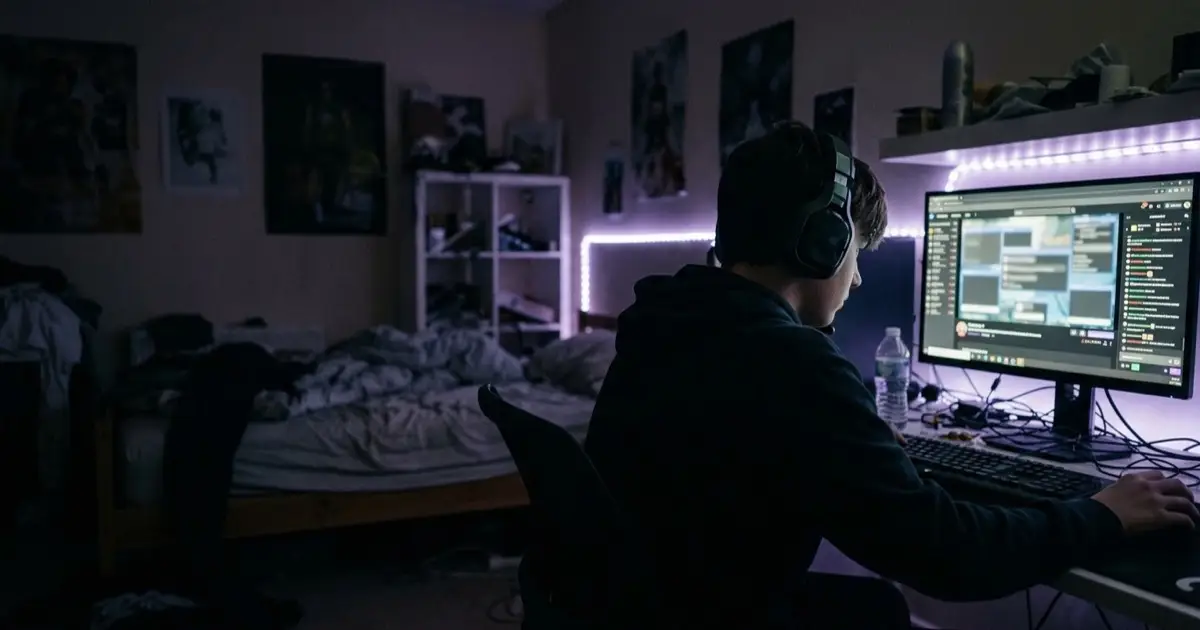
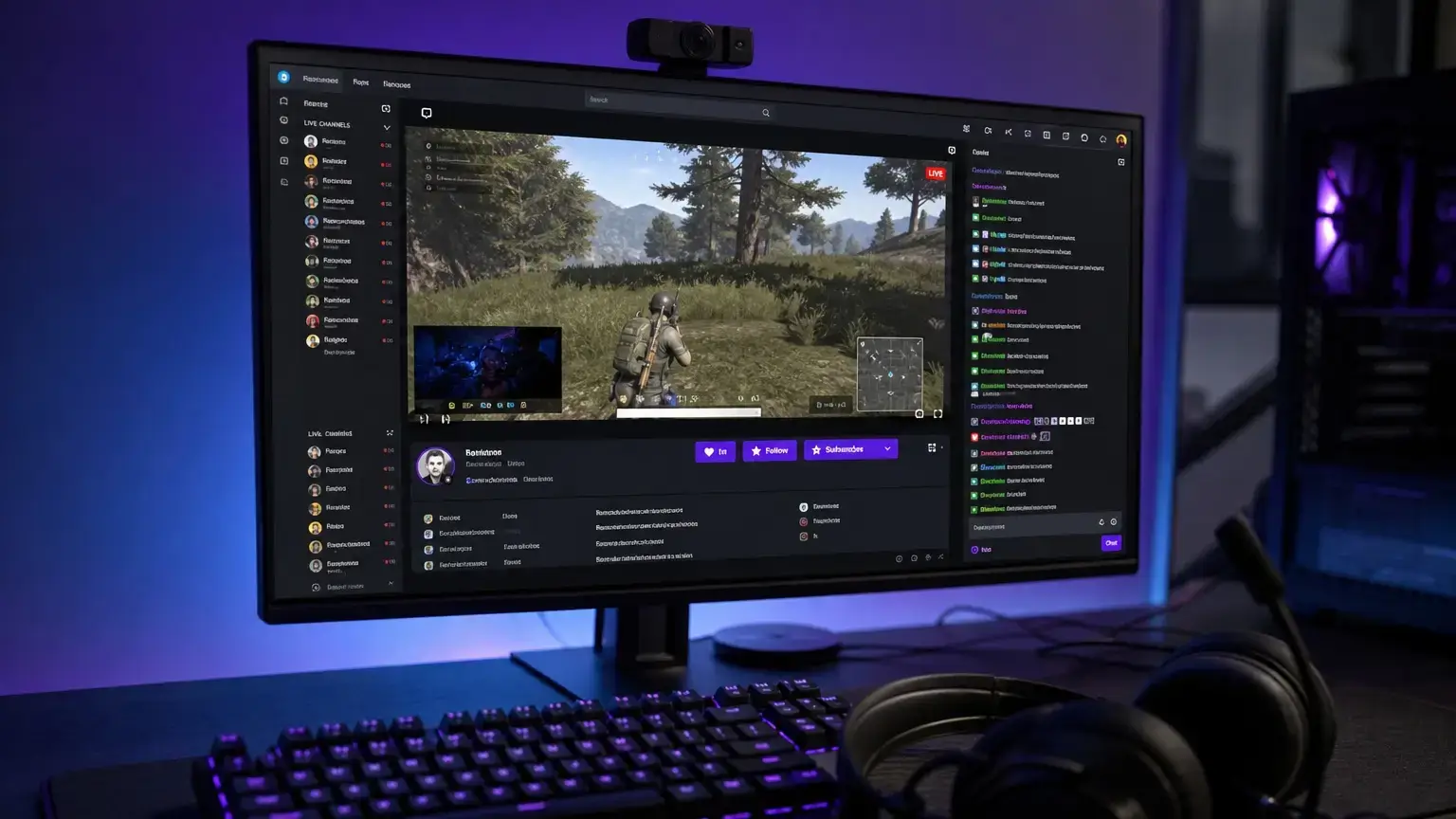
Twitch is Amazon’s live-streaming service. Anyone can broadcast live video while viewers watch, chat, and pay. Twitch’s rules say users must be at least 13, and minors may only use it under the supervision of a parent or guardian. In practice, many children stream from their bedrooms to strangers. Investigations have described adults using the platform’s own features:
- Finding small channels run by children, and following many of them.
- Live chat and private messages to praise a child and build trust.
- Bits and subscriptions to reward a child for doing what viewers ask.
- Clips, which let any viewer save a short part of a live stream.
- Moving the child to another app, such as Discord or Snapchat, where contact is more private.
The same patterns turn up on other live apps. If your child was targeted somewhere else, this guide covers Kick and TikTok LIVE.
You are not the only family this has happened to
News investigations and Twitch’s own reports show that adults have used the platform to find children for years. These numbers describe Twitch, not your child or your parenting.
- 279,016 children who were streaming were followed by 1,976 suspected predator accounts, 2020 to 2022. Source: Bloomberg, Sept 21, 2022.
- 1 in 13 Twitch Clips that Bloomberg reviewed showed minors in sexualized content (at least 83 of about 1,100). Source: Bloomberg, Jan 5, 2024.
- 1 in 4 U.S. teenage boys used Twitch (26%; 20% of all teens 13 to 17). Source: Pew Research Center, 2022.
What Twitch itself reports
- 0.03% of Twitch’s 43 million enforcement actions in late 2025 were for youth safety (12,393). Most of the rest were against spam and fake accounts. Source: Twitch H2 2025 transparency report.
| Year | Twitch reports to the CyberTipline |
|---|---|
| 2019 | 541 |
| 2021 | 6,629 |
| 2022 | 14,508 |
| 2023 | 6,665 |
| 2024 | 2,301 |
| 2025 | 2,390 |
Twitch reports to the NCMEC CyberTipline, by year. NCMEC CyberTipline Reports by Electronic Service Provider (2019, 2021, 2022, 2023, 2024, 2025). 2020 is not shown because NCMEC listed Amazon and Twitch together that year. Twitch says changes in how it categorized reports in 2023 and 2024 explain the drop.

Can your family hold someone responsible?
Often, yes, starting with the adult who did this. Federal law (18 U.S.C. § 2255) lets a person exploited as a child sue anyone who committed certain federal sex crimes against them, such as making, sharing, or keeping sexual images of them or enticing them online. That claim has no filing deadline, and it allows actual damages or $150,000 in liquidated damages, plus attorney’s fees. Where someone gave or promised a child money, gifts, or anything else of value in exchange for sexual acts, the federal trafficking law (18 U.S.C. § 1595) may also apply.
Whether Twitch itself is responsible depends on what its own design and choices contributed. As of November 2026, we are not aware of a public lawsuit naming Twitch over the exploitation of a child, so these claims are new ground. Families have brought similar claims against Roblox and Discord, and our explainer on Twitch claims sets out the public record, the law, and the defenses in plain English. Twitch would likely rely on Section 230, a law that protects platforms from being treated as the publisher of users’ posts. Some courts have let claims about how a product was designed go forward, while others have dismissed them under Section 230. Twitch’s terms also require 60 days’ written notice before a lawsuit and try to limit the time to bring a claim. That is one reason not to wait.
Your Child’s Privacy Comes First
Cases involving children are usually filed under initials or a made-up name. The other side usually learns your child’s real name, and the Court can order that it be kept confidential. You never have to talk to the press. Any settlement for a child generally needs a judge’s approval, which protects your child.
How We Help Families
- We listen first. Share as much or as little as you are ready to.
- We are honest with you. We will tell you whether you have a claim, against whom, and what it would involve. That includes telling you if a case against Twitch isn’t realistic.
- We take on the hard parts. Letters asking companies to keep their records, the notice Twitch’s terms require, and dealing with the companies and their lawyers.
- We work around your child. Their safety, counseling, and pace come before the case.
- Talking to us is confidential and doesn’t commit you to anything.
Questions Parents Ask Us
No. Adults who groom children online work hard to stay hidden. They flatter, give gifts like Bits or subscriptions, and ask children to keep secrets or move to another app. Children stay quiet because they feel ashamed or scared, not because they did anything wrong, and not because you weren’t paying attention.
What helps your child most right now is knowing they are safe, they are believed, and they are not in trouble.
Not that we know of. As of November 2026, we are not aware of any public lawsuit or class action naming Twitch over the exploitation of a child, so each family’s claim is its own. Families have brought similar claims against other apps, such as Roblox and Discord, and those cases show how a claim about a streaming platform would be built. Our Twitch lawsuit FAQ answers the questions families ask most.
Possibly. It depends on what Twitch’s own design and choices contributed, such as letting children stream live to adult strangers or failing to act on reports. Twitch’s main defense would be Section 230, a federal law that protects platforms from being treated as the publisher of what users post. Some courts have let claims about how a product was designed go forward, while others have dismissed them under Section 230. We will tell you honestly whether a claim against Twitch is realistic for your family. This explainer shows how a claim against Twitch could work, and the defenses it would face.
A claim against the adult who exploited your child is often the clearest one. Under federal law (18 U.S.C. § 2255), a person exploited as a child can sue anyone who committed certain federal sex crimes against them, such as making, sharing, or keeping sexual images of them or enticing them online. That claim has no deadline. The law allows actual damages or $150,000 in liquidated damages, plus attorney’s fees. No lawyer can promise an outcome.
No. A civil case does not depend on an arrest or a conviction. We encourage reporting to the CyberTipline because it protects other children, but your family decides whether and when to talk to police. If there is a criminal investigation or prosecution of the same events, a federal trafficking claim is paused until the criminal case ends in the trial court, and a judge can pause other claims too. The pause does not cancel them.
Usually more than families fear, but not unlimited. A federal claim against the offender has no time limit. A federal trafficking claim can be brought until 10 years after the harm or 10 years after your child turns 18, whichever is later. Claims against a platform can be much shorter, and Twitch’s terms add a 60-day notice step and a one-year clause where the law allows it. A short call early keeps every option open.
It shouldn’t come to that. The first conversation is with you, the parent, and your child does not need to be part of it. If a case moves forward, your child may need to answer some questions, and the lawyers prepare them for it. They can also ask the court for protections. Many cases settle before trial. Your child’s well-being and counseling come first.
Usually not. Court papers in cases involving children show only initials or a made-up name. The other side usually learns your child’s real name, and the court can order that it be kept confidential. You never have to speak to the press, and any settlement for a child generally needs a judge’s approval, which protects your child.
Report the Clip inside Twitch and to the NCMEC CyberTipline. Don’t download, screenshot, or forward the image yourself, even to report it. Reporting is enough. NCMEC’s free Take It Down service helps stop images taken before age 18 from being shared on its member apps, and the image never leaves your device. Twitch was not on its member list in November 2026. Our step-by-step guide for parents walks through reporting and removal in order.
Keep your child’s Twitch account. Don’t delete it, even if you want to. Note the adult’s username and channel link, dates and times, and take screenshots of chat text and any Bits, subscriptions, or payments. If the adult moved your child to another app, save those usernames too. Never save a sexual image of a child. If it was another live app, this guide covers Kick and TikTok LIVE.
A counselor who works with exploited children can help your child and you through what comes next. You can also reach the 988 Suicide & Crisis Lifeline (call or text 988), RAINN’s confidential hotline (800-656-4673), or the Childhelp National Child Abuse Hotline (1-800-422-4453), any time of day.
When You Are Ready, We Are Here to Listen.
A conversation with our sexual abuse team is confidential and puts you under no obligation. Call 727-451-6900 any time, day or night.
This page gives general information, not legal advice. Reading it does not create an attorney-client relationship. Past results do not guarantee future outcomes.
If your child is in danger right now, call 911.
To report what happened, contact:
- NCMEC CyberTipline at report.cybertip.org or 1-800-843-5678
- FBI at tips.fbi.gov.
If you or your child need someone to talk to:
- Call or text the 24/7 crisis lifeline by simply dialing or texting 988
For support and resources, contact:
- RAINN (the largest anti-sexual violence nonprofit organization in the United States) at 800-656-4673. They offer referrals for mental health support, local sexual assault services, and much more.
