
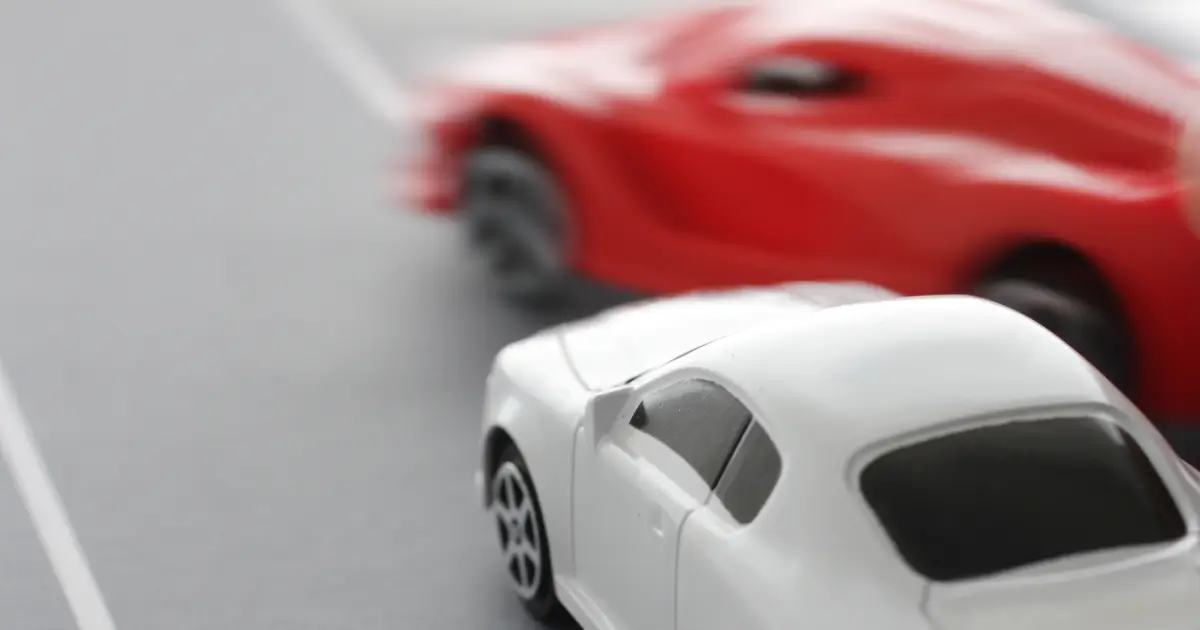



Is the Driver Making the Lane Change Always at Fault If a Crash Occurs?
No. A driver making an unsafe lane change is often at fault when the maneuver causes a crash. Moving into an occupied lane or leaving too little space can establish negligence. The driver already in the lane may also share responsibility if their conduct contributed to the collision. Determining fault requires looking at how each driver was operating their vehicle immediately before the crash.
A lane-change crash can look straightforward from the damage alone. In practice, the point of impact rarely reveals when the maneuver began, where each vehicle was positioned, or how either driver responded.
Those details can become harder to establish as vehicles are repaired, and recordings are erased. A careful review can distinguish an unsafe lane change from a collision that occurred after both drivers made competing moves.
Quick Facts: Improper Lane Change Accidents
- Fault depends on the movement: A lane change is not improper merely because a collision happens afterward.
- Blind spots still require attention: Drivers must account for vehicles that their mirrors may not immediately reveal.
- Signals communicate intent: A turn signal warns other motorists but does not create a safe opening or right of way.
- Contact may never occur: A lane-changing driver can cause another motorist to brake, swerve, or collide elsewhere.
- Responsibility can be shared: The driver already in the destination lane may contribute through speed or other unsafe conduct.
- State rules differ: Requirements for signals, roadway markings, and lane use depend on the law where the collision occurred.
What Can Make a Lane Change “Improper” Under the Law?
A lane change becomes improper when the other driver moves into your lane without first making sure there is enough room to do so safely. Using a signal or needing to reach an exit does not give that driver priority over traffic already in the lane.
Road markings may prohibit the move altogether. Even where changing lanes is allowed, heavy traffic, poor visibility, road hazards, or slick pavement may make that particular attempt unsafe. The roadway also matters because moving between continuing lanes differs from joining traffic where a merge lane ends.
Are Lane Changes and Merging Lanes the Same Thing?
No. An ordinary lane change takes place between lanes that continue in the same direction, while a merge brings traffic streams together. The distinction affects the drivers’ positions, available roadway, and responsibilities as the vehicles converge.
An Ordinary Lane Change Is Usually a Choice
Unlike a merge, an ordinary lane change rarely requires the other driver to move immediately. If your vehicle already occupies the lane they want to enter, that driver can wait rather than expecting you to make room. That option matters when deciding whether the lane change was reasonable.
A Merge Develops from the Roadway Design
When an entrance ramp or lane is ending, the driver joining traffic has less time and roadway to find an opening. That does not give the merging driver an automatic right to enter, but motorists in the continuing lane must still respond reasonably as traffic comes together.
The final moments often show who had the clearest chance to avoid the crash. Each vehicle’s speed and position, along with the roadway remaining, can reveal whether someone had time to slow down, yield, or wait.
How Do Blind Spots Contribute to Lane Change Crashes?
A blind spot can hide your vehicle even when you remain in the same lane. This commonly occurs near the other vehicle’s rear quarter, where your car may sit outside the mirrors and the driver’s direct field of view. Your lane can therefore appear open when it is already occupied.
Blind spots are a known part of driving, so the other driver must account for them before moving over. Mirrors, careful visual checks, and enough time to confirm the opening may reveal traffic that was not immediately visible. The dispute becomes more complicated when both motorists begin moving toward the same lane at nearly the same time.
What Happens When Two Vehicles Move into the Same Lane?
If you and another driver begin moving into the same lane, the sequence matters. On a three-lane road, you may start entering the center lane just as a driver from the opposite side begins making the same move.
If you entered first and established your position, the other driver may bear more fault for continuing into your path. If both movements began almost together, responsibility may be shared. The vehicles do not have to touch if the other driver’s movement forces you to swerve and crash elsewhere.
Can a Driver Changing Lanes Cause a Crash Without Having Contact with a Vehicle?
Yes. The other driver can cause your crash without striking your vehicle. A sudden move may force you to brake, leave the roadway, hit an object, or collide with traffic in another lane.
Your claim must connect that lane change to the resulting collision and show that your reaction was reasonable under the circumstances. Without shared impact damage, recordings, witness accounts, and roadway evidence often become especially important. The same evidence may also show whether a turn signal provided any useful warning.
Does Using a Turn Signal Always Make a Lane Change Safer?
No. A turn signal can warn you that another driver plans to move, but it does not give that driver the right to enter your lane. What matters is whether the signal provided useful notice and whether enough room existed to complete the move safely.
A Signal Communicates a Plan
A driver should signal early enough for you to recognize the intended movement and respond normally. Switching it on after the vehicle has already begun drifting gives you little meaningful warning. Because an indicator can also remain on accidentally, the vehicle’s actual movement still matters.
The Opening Must Still Be Safe
Even after signaling, the other driver must wait until there is enough room to move over. If you already occupy the destination lane, the signal does not automatically require you to brake or surrender your position.
A signal may help prove that the driver intended to change lanes, but it does not prove that the decision was safe. Your conduct may still affect fault if you accelerated to close the opening or otherwise contributed to the collision.
When the Driver in the Destination Lane May Share Fault for a Lane-Change Crash
You may share part of the fault if your actions contributed to the crash, even when you were already traveling in the lane the other driver entered. Being there first generally supports your position, but an insurer may still examine whether you were speeding, following too closely, or deliberately blocking the maneuver.
That does not mean any possible reaction makes you responsible. The evidence must show that your conduct actually helped cause the collision, not simply that you could have responded differently. The lane-changing driver may still bear most of the fault, and the final division depends on the evidence and applicable state rules.
How Lane Change Rules May Vary by State
Lane-change requirements differ by state, particularly concerning signal use, lane markings, and movements near intersections. Across the country, the central principle is that drivers should not move laterally unless they can do so with reasonable safety.
States also differ in how a traffic violation affects a civil claim. A broken rule may serve as evidence of negligence or have a more direct legal effect, depending on the applicable law. A citation can support your claim, but the violation must still relate to the collision and the harm that followed.
FAQs
What if the driver who changed lanes says they didn’t see my vehicle?
Failing to see another vehicle does not excuse an unsafe lane change. The statement may indicate that the driver moved without detecting traffic already beside them. Video, vehicle positions, and independent witnesses may show what should have been visible before the maneuver.
Can a driver be liable for a lane-change crash if they were signaling?
Yes. A driver may be liable despite signaling. Recordings and witness accounts may establish whether the signal came too late, or whether the vehicle moved before there was a safe opening.
What if another driver accelerated as I was changing lanes?
The timing and purpose of the acceleration matter. A driver may share fault by deliberately closing an available opening after the lane change began. An earlier increase in speed carries less weight unless it directly contributed to the collision.
Can a lane-change crash involve more than two vehicles?
Yes. One unsafe lane change can force a nearby driver into another vehicle or trigger sudden braking across several lanes. Each impact requires separate review because different drivers may have contributed at different points in the sequence.
What if a driver crosses multiple lanes at once?
Crossing several lanes in one continuous movement may be negligent when the driver fails to confirm that each lane is clear. The number of lanes alone does not determine fault. Speed, visibility, traffic, and available space all affect whether the maneuver was safe.
Can changing lanes near an intersection affect fault?
Yes. A lane change near an intersection may interfere with turning traffic, conflict with lane markings, or leave other drivers with little time to respond. Because intersection and lane-use rules vary, fault depends on the permitted movement and how the lane change contributed to the crash.